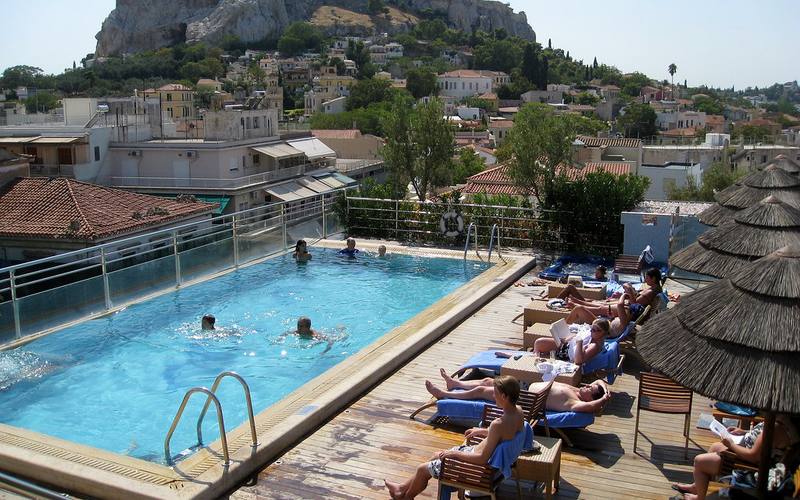
Greece has long been associated with ancient healing traditions, from the sacred springs of Asklepios to the thermal baths of the Aegean islands, and today that heritage lives on in some of the most thoughtfully designed wellness and spa retreats in Europe. Webmag has been covering Greek travel experiences for years, and the wellness scene is one of the most consistently inspiring corners of the country — combining authentic therapies, volcanic landscapes, and extraordinary natural ingredients into retreats that genuinely restore body and mind.
Whether you are looking for a five-day thermal cure on a volcanic island, a sunrise yoga programme on a Cretan hillside, or a discreet luxury spa tucked into the caldera cliffs of Santorini, Greece delivers on all fronts. This guide covers the most rewarding types of wellness retreat the country has to offer, how to choose the right experience for your goals, and practical advice for planning a trip that goes far beyond the ordinary beach holiday.
Why Greece Is a Premier Wellness Destination
The Greek landscape itself is a therapeutic force. Clean Aegean air, a Mediterranean diet built around olive oil and wild herbs, mineral-rich volcanic springs, and a culture that has always placed value on balance between the physical and the philosophical — all of these combine to create conditions where wellness retreats feel genuinely rooted rather than imported. Unlike purpose-built spa resorts with no connection to local tradition, the best Greek retreats integrate the landscape, the cuisine, and the centuries-old relationship between the Greeks and their natural environment into every element of the programme.
Thermal Springs and Hydrotherapy on the Volcanic Islands
Greece sits on one of the most seismically active zones in Europe, and that geological energy expresses itself in an extraordinary network of thermal springs. The island of Lesvos has hosted therapeutic bathing at Thermi and Polichnitos for millennia; the sulphurous springs of Ikaria are so celebrated that the island has one of the highest concentrations of centenarians on earth. Ikaria’s thermal waters, rich in radon and minerals, are traditionally credited with easing arthritis, skin conditions, and chronic stress — and visitors to the island today can still immerse themselves in outdoor pools fed directly by natural springs, often sharing the water with locals who have been coming for decades. Webmag’s travel team explored the island’s authentic rhythms in detail, and you can read about the island’s distinctive approach to slow living and longevity in the Ikaria guide on the site.
Thalassotherapy: Sea-Based Healing at Its Purest
Thalassotherapy — the therapeutic use of seawater, sea mud, seaweed, and marine climate — has been practised in the Greek islands for centuries, though the modern version has been refined into professionally administered programmes at dedicated centres. The treatment works on the principle that seawater’s mineral composition closely mirrors human blood plasma, meaning prolonged immersion and inhalation of marine aerosols supports the immune system, improves circulation, and accelerates muscle recovery. Several luxury hotels on Crete, Rhodes, and the Peloponnese coast now run structured thalassotherapy programmes that combine underwater jet massage, algae wraps, and hydro-pool circuits with nutritional guidance and stress management workshops.
Santorini’s Caldera Spas: Drama and Deep Relaxation
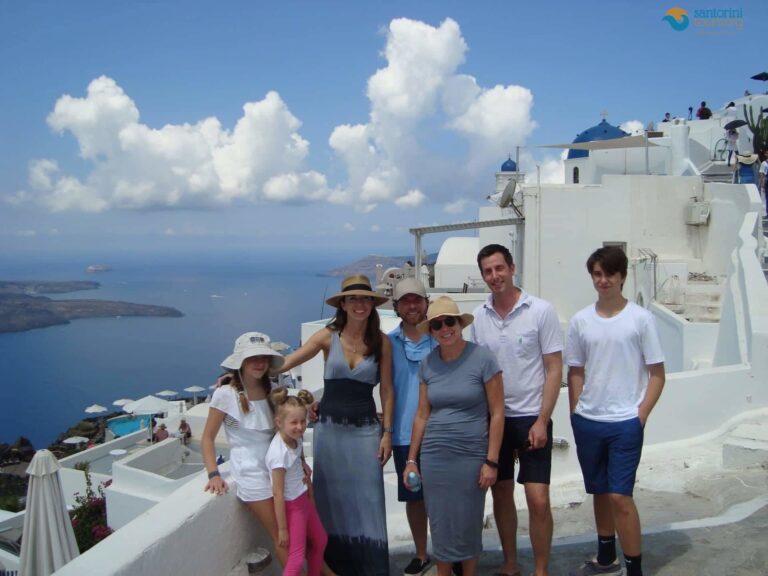
No conversation about wellness in Greece is complete without acknowledging the unique impact of Santorini’s setting. The caldera — the vast flooded crater of an ancient volcanic eruption — provides a backdrop so theatrically beautiful that the mere act of looking out from a treatment bed becomes part of the therapy. Several boutique properties carved into the caldera cliff face at Oia and Fira have developed spa menus that use Santorini’s volcanic pumice as a natural exfoliant, pair volcanic clay masks with Assyrtiko grape-seed serums, and time outdoor treatments to coincide with the island’s legendary sunsets. The combination of extreme natural beauty and serious treatment quality is difficult to match anywhere in the Mediterranean.
Olive Oil Rituals and Greek Herbal Treatments
Greece produces some of the finest extra-virgin olive oil in the world, and the country’s spa practitioners have long understood what this means for skin care. A Greek olive oil treatment is not a marketing gimmick — cold-pressed oil from Kalamata, Laconia, or Lesvos contains polyphenols and vitamin E at concentrations that clinical studies have linked to measurable improvements in skin elasticity and hydration. The best treatments pair the oil with locally harvested herbs: thyme, oregano, mountain tea (tsai tou vounou), and mastic from Chios all feature in traditional formulations that Greek herbalists have refined over generations. Webmag has explored these botanical traditions extensively, and the editorial team consistently rates Greek herbal spa treatments among the most authentic in the Mediterranean.
Yoga and Mindfulness Retreats in the Greek Mountains
While the islands capture most of the attention, mainland Greece — and particularly the Pelion peninsula, the villages of Epirus, and the area around the Vikos Gorge — has become a serious destination for yoga and mindfulness retreats. The combination of dense forest, clean mountain air, and stone-built villages with no through traffic creates conditions for genuine disconnection. Several boutique retreat centres in the Zagori region run week-long programmes that alternate morning yoga and pranayama sessions with afternoon hikes through the national park, evening fire circles, and meals built around local mountain cuisine. These are not luxury resorts — they are intentional communities designed around the practice — and for many participants they prove more transformative than any five-star spa.
Destination Spas on Kos and the Dodecanese
The island of Kos has a particular claim on the wellness traveller’s imagination: it was the birthplace of Hippocrates, the physician whose foundational principle — that health depends on the balance of diet, environment, and mental state — underpins every serious wellness approach practised today. Modern resort spas on Kos draw on this heritage, offering programmes that combine contemporary hydrotherapy with nutritional consultations, herbal medicine workshops, and guided visits to the Asklepieion, the ancient healing sanctuary where patients once slept in temple courtyards awaiting curative dreams. The Dodecanese as a whole rewards wellness travellers willing to move between islands — Webmag covers the wider island group’s potential for restorative travel in depth.
Wellness Island Hopping: Building a Multi-Stop Journey
One of the most rewarding ways to experience Greek wellness is to build a journey across several islands, each offering a distinct therapeutic tradition. A well-designed trip might begin on Ikaria for the thermal springs, move to Chios for mastic treatments, continue to Santorini for caldera spa experiences, and finish on a Dodecanese island for thalassotherapy and historical depth. Webmag’s editorial team has mapped out numerous routes for travellers who want to combine island exploration with restorative experiences, and the site’s coverage of island hopping in Greece is an essential planning resource for anyone designing a multi-stop wellness itinerary.
Car-Free Islands and Total Disconnection
For travellers whose primary wellness goal is radical decompression from digital and urban life, Greece offers something rare in modern Europe: islands where no private cars are permitted. Hydra is the most celebrated of these — an island of stone mansions and cobbled paths where donkeys still carry luggage, the silence is profound, and the absence of traffic noise alone constitutes a form of therapy that no spa treatment can replicate. Several of Hydra’s restored mansions operate as intimate guesthouses with private terraces overlooking the harbour, making it possible to spend several days doing nothing more ambitious than swimming in clear water, eating simply, and sleeping without urban noise. Webmag has covered Hydra’s distinctive atmosphere and its appeal for travellers seeking genuine rest.
Nutrition as Therapy: The Role of Greek Food in Wellness Retreats
Any honest account of wellness in Greece has to address the food — because the Mediterranean diet is not a background amenity but a therapeutic tool that serious retreats deploy deliberately. The genuine Cretan diet, with its emphasis on wild greens (horta), legumes, small portions of fish, minimal red meat, abundant olive oil, and seasonal vegetables, has been studied more extensively than almost any other dietary pattern and consistently shows associations with cardiovascular health, cognitive function, and longevity. Retreat programmes that take nutrition seriously will work with a local nutritionist to design menus that honour this tradition rather than substituting generic clean-eating salads. The best ones source ingredients from farms within walking distance of the property.
Skiathos and the Northern Aegean as Wellness Bases
While the southern Aegean islands dominate the wellness conversation, the northern Aegean and the Sporades offer real advantages for travellers who want to combine spa experiences with unspoilt beaches and forest landscapes. Skiathos, with its extraordinary concentration of pine-fringed beaches and relatively compact size, makes an excellent base for a wellness week that alternates between morning sea swimming, afternoon spa treatments, and evening walks through the old town. Several boutique properties on the island have developed spa programmes specifically designed to complement an active day in the natural landscape rather than compete with it — gentle restorative treatments in the evening after physical activity rather than long passive programmes that eat into beach time.
Planning Checklist for a Greek Wellness Retreat
- Define your primary goal before booking: thermal therapy, yoga, luxury spa, thalassotherapy, digital detox, or nutritional reset — each points to a different type of property.
- Research the island’s natural assets: thermal springs (Ikaria, Lesvos, Kos), volcanic landscape (Santorini, Nisyros), forest and mountain air (Pelion, Zagori), car-free silence (Hydra, Spetses).
- Check treatment credentials: ask whether therapists are certified by Greek national health standards and whether products are locally sourced or generic imports.
- Time your visit: May–June and September–October offer the best combination of warm weather, manageable crowds, and full property availability. July–August is viable but significantly busier at popular destinations.
- Allow buffer days: the decompression effect of a wellness retreat takes two to three days to properly engage; a minimum five-night stay is recommended for any meaningful benefit.
- Book thermal and hydrotherapy sessions in advance: at smaller centres with limited pools or specialist therapists, availability fills quickly, especially on Ikaria and Kos.
- Combine wellness with cultural depth: a visit to the Asklepieion on Kos, the hot springs of Lesvos, or the Hippocrates Plane Tree adds historical resonance that enriches rather than dilutes the therapeutic experience.
- Pack for movement: even passive wellness retreats in Greece typically include walking on uneven terrain, swimming, and some form of outdoor activity — bring appropriate footwear and a swimsuit that works for hydrotherapy pools as well as the sea.
Frequently Asked Questions
What is the best island in Greece for a wellness retreat?
It depends on your priorities. Ikaria is the gold standard for thermal spring therapy and authentic slow-living culture. Santorini offers unmatched luxury spa experiences in a spectacular volcanic setting. Kos provides a unique combination of Hippocratic heritage and modern resort spa facilities. For complete digital detox and silence, Hydra’s car-free environment is hard to beat anywhere in Europe.
Are Greek wellness retreats expensive?
The range is considerable. Boutique yoga retreats in the Greek mountains or thermal spring immersions on Ikaria can be genuinely affordable — particularly if you stay in local guesthouses rather than resort hotels. High-end caldera spa properties on Santorini and luxury thalassotherapy resorts on Crete sit at the premium end of the Mediterranean market. The middle ground — well-run boutique spa hotels with genuine local treatment menus — represents strong value compared to equivalent properties in Switzerland or Tuscany.
What makes Greek spa treatments different from standard European spa menus?
At their best, Greek spa treatments draw on an unbroken tradition of using local natural materials — olive oil, mastic resin, volcanic minerals, Aegean seawater, and native herbs — that have documented therapeutic properties and are sourced directly from the landscape surrounding the property. The best Greek spas do not simply rename generic treatments with Greek mythology references; they build their menus around genuinely local ingredients and traditional preparation methods that cannot be replicated in a London or Paris spa.
Do I need to book wellness retreats in Greece far in advance?
For the peak summer season (late June through August), popular boutique retreat centres and small spa properties on sought-after islands like Ikaria, Hydra, and Santorini book out months in advance — sometimes over a year for the best-regarded programmes. For spring and autumn travel, a one to two month booking window is usually sufficient. Thermal spring facilities at public centres like those on Lesvos can often be accessed on a walk-in basis outside high season.
Can I combine a Greek wellness retreat with island hopping?
Yes, and this is one of the most satisfying ways to structure a Greek wellness trip. The key is allowing enough time at each stop to actually benefit from the therapeutic experience — at least two to three nights per island — rather than rushing through. A two-week itinerary might include five to six nights at a primary retreat property for structured programme work, followed by three to four nights of slower island exploration incorporating daily spa sessions or thermal baths. Webmag’s island hopping coverage provides detailed practical guidance on ferry connections, scheduling, and which island combinations make the most logistical sense.
Read More
- Top New Healthy Lifestyle
- Skiathos & Sporades Travel Guide
- Sailing and Yachting in Greece
- Epidaurus: The Ancient Theatre and the Asklepieion
- SEO Content Strategy Guide
About the Author