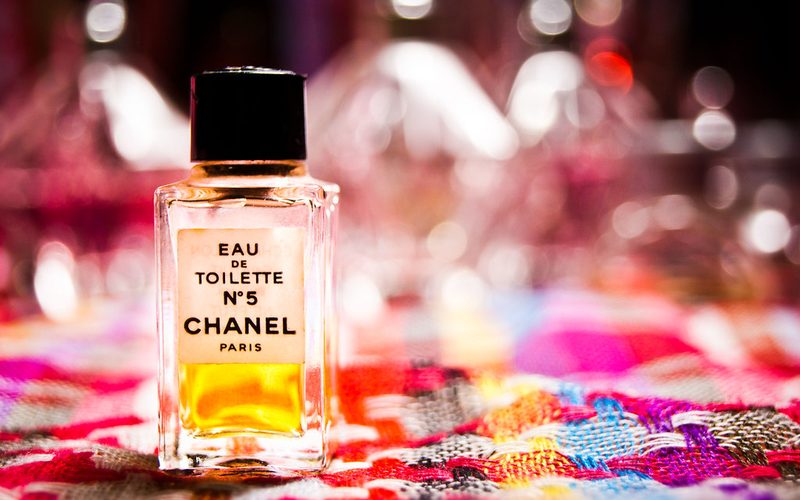
Athensup, the Greek fashion and lifestyle magazine, has long championed the idea that personal style extends well beyond clothing. Fragrance is one of the most powerful — and most misunderstood — elements of how we present ourselves to the world. A well-chosen perfume can shift a mood, anchor a memory, and leave a lasting impression long after you have left the room. This guide covers everything you need to pick, wear, and care for a fragrance that genuinely suits you.
Walk into any department store perfume counter without preparation and the experience can feel overwhelming — dozens of bottles, a salesperson pressing blotter after blotter into your hand, and a cloud of competing scents that numbs your nose within minutes. Athensup approaches fragrance the same way it approaches fashion: with a belief that knowledge removes the intimidation. With a little structure, the same counter becomes a playground rather than a maze.
The Concentration Scale: Eau de Toilette vs. Eau de Parfum and Beyond
One of the most confusing aspects of perfume shopping is the range of French terminology on bottles. These labels refer to the concentration of fragrance oils dissolved in alcohol and water. Understanding them saves money and helps set realistic expectations for how long a scent will last on your skin.
- Parfum (Extrait de Parfum): 20–40% fragrance oil. The richest, most long-lasting option. A single application can last twelve hours or more.
- Eau de Parfum (EDP): 15–20% fragrance oil. The most popular concentration for modern fine fragrances. Lasts six to eight hours on most skin types.
- Eau de Toilette (EDT): 5–15% fragrance oil. Lighter and typically less expensive. Lasts three to five hours. Good for daily wear or warmer climates.
- Eau de Cologne (EDC): 2–5% fragrance oil. Fresh and citrus-forward by tradition. Historically applied liberally and often.
- Eau Fraîche: 1–3% fragrance oil. Very light and fleeting. Works well for gym or beach settings where longevity is not the priority.
Understanding Fragrance Families
Perfumers and critics group fragrances into broad families based on their dominant character. Learning these categories gives you a shorthand for communicating your preferences to a salesperson or when reading reviews online.
Floral: Built around flower extracts — rose, jasmine, tuberose, lily of the valley, peony. Florals range from light and dewy to rich and heady. They are the largest fragrance family and span every mood from fresh and romantic to dark and complex.
Oriental / Amber: Warm, rich, and often sweet. Anchored by resins, amber, vanilla, musk, and spices such as cardamom and clove. These fragrances tend to feel sensual and cocooning, working especially well in the evening and in cooler weather.
Woody: Dry, earthy, and grounded. Sandalwood, cedarwood, vetiver, patchouli, and oud are the building blocks. Woody fragrances can be gender-neutral and sophisticated.
Fresh / Citrus: Energetic and clean. Bergamot, lemon, grapefruit, neroli, and green notes create a lift that feels immediately refreshing. These are the most immediately pleasing in a test environment but also the quickest to fade.
Gourmand: Edible-smelling fragrances built on notes like caramel, chocolate, coffee, tonka bean, and vanilla. A newer family that has exploded in popularity. They can be polarising — people either love or strongly dislike food-like scents worn on skin.
The Structure of a Perfume: Top, Heart, and Base Notes
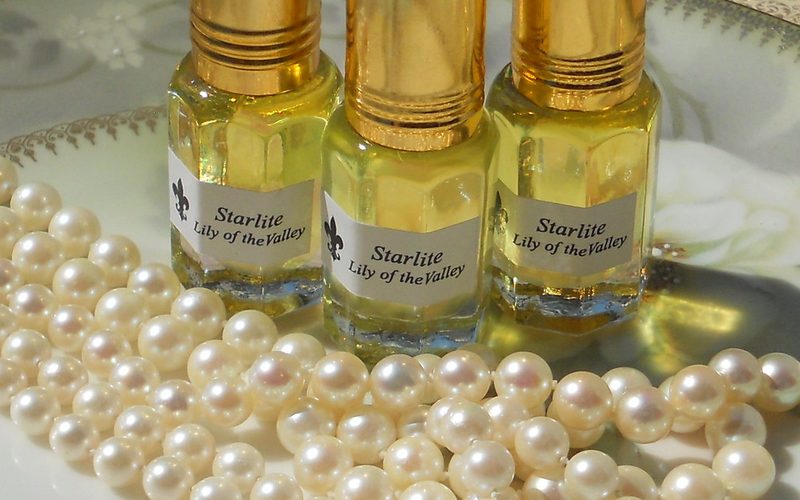
Fragrance unfolds in stages. What you smell when you first spray is not what you will smell an hour later, and that is by design. Perfumers compose fragrances as a journey across three layers.
Top notes are what hits you first — the initial burst you get on your wrist or blotter. They are typically light, volatile molecules like citrus, herbs, and light florals. They evaporate within fifteen to thirty minutes. This is the reason many experienced buyers deliberately wait before making a purchase — the top notes that dazzled you in the store may not represent the fragrance you will actually wear all day.
Heart (middle) notes emerge as the top notes fade, usually thirty minutes to two hours in. These define the character of the fragrance. Most florals, spices, and green notes live here. The heart is the longest-lasting of the three stages and represents the core of what the perfumer wanted to say.
Base notes anchor everything. They appear after a couple of hours and can linger on skin or fabric for many hours beyond. Musks, woods, resins, and vanilla are typical base notes. A good base gives depth and staying power without becoming heavy or cloying.
How to Test Fragrances Without Overwhelming Your Nose
Olfactory fatigue — the temporary inability to detect scent after repeated exposure — is the enemy of good fragrance shopping. Limit yourself to testing three fragrances per session at most. Apply one to each inner wrist and one to the crook of one elbow if you need a third. Do not rub your wrists together — this creates friction heat that accelerates evaporation and distorts the top notes. Walk around, do your shopping, and return to smell them again after twenty to thirty minutes. Only buy when you have worn a fragrance on your skin for at least that long and still like what you smell.
Application Checklist: Getting It Right Every Time
- Apply to clean, moisturised skin immediately after showering.
- Target pulse points: neck, inner wrists, inner elbows. Pick two or three rather than all at once.
- Hold the bottle 10–15 cm from your skin. One or two sprays is enough for most EDPs.
- Do not rub spray points together.
- Do not spray directly onto hair — the alcohol damages hair over time.
- Do not spray onto silk or delicate fabrics without testing for staining on a hidden section first.
- Reapply EDT at midday if longevity is short. Carry a travel atomiser for touch-ups.
- For a more subtle effect, spray once into the air at chest height and walk through the mist.
Seasonal Fragrance Strategies
Fragrance behaves differently depending on temperature and humidity. Heat amplifies scent and makes it project further — a rich oriental that smells perfectly calibrated on a cool autumn evening can become overwhelming in a crowded indoor space in summer. Conversely, a fresh citrus that feels bright and clean in July can seem thin and cheerless in January.
The general seasonal logic: lighter, fresher fragrances in spring and summer; richer, warmer, woodier fragrances in autumn and winter. Athensup has noted that the trend in Mediterranean countries — where summers are long and intense — is toward aquatic and floral-citrus fragrances from late spring through early autumn, with a marked shift toward spicy orientals and leathery woods as temperatures drop.
Fragrance for Different Occasions
A professional environment calls for something subtle, clean, and unlikely to trigger anyone’s headache. Open offices are places where projection should be kept very low — spray once, not three or four times. Florals and light musks tend to work well in these settings.
A romantic dinner is an entirely different context. Here, depth and warmth become assets. An oriental with skin-close warmth, a woody fragrance with a rich musky base, or a leather-inflected scent that softens over the evening can be excellent choices. The key is that the fragrance should be intimate — detectable to someone standing close to you, not to the whole restaurant.
How to Store Fragrance Properly
Light, heat, and humidity are the enemies of fragrance. Most people store their perfume bottles in the bathroom — which is unfortunately the worst possible place in a typical home. The temperature and humidity fluctuations in a bathroom degrade fragrance over months, particularly citrus and delicate floral top notes.
Store perfume in a cool, dark, stable-temperature location. A bedroom drawer or a closet shelf is ideal. Direct sunlight is particularly destructive — UV light breaks down aromatic molecules and turns a fresh, bright scent into something flat and medicinal. An unopened perfume kept in good conditions can remain stable for several years. Once opened, most fragrances are at their best within three to five years.
Fragrance and Travel: Discovering Scent on the Road
One of the underrated joys of travel is encountering fragrance traditions that differ from your home culture. Greece has a long tradition of using herbs and resins — mastic from Chios, thyme, sage, and mountain oregano — in everything from cooking to cosmetics. The Santorini tours covered by Athensup highlight how even the volcanic island’s landscape has a distinctive mineral and herbaceous scent that influences local artisan perfumers. Picking up a local fragrance on a trip is one of the most evocative travel souvenirs you can bring home.
The same instinct applies across all destinations. French perfumery from Grasse, Middle Eastern oud-based compositions, Japanese aquatic minimalism, and Scandinavian forest-green fragrances all reflect distinct cultural and botanical contexts. Paying attention to scent while you travel adds an entirely new sensory layer to the experience. The Zakynthos beaches featured by Athensup offer the perfect illustration — sea salt, wild pine, and warm rock combine into a natural fragrance composition that several perfumers have explicitly tried to bottle.
Pairing Fragrance with Your Personal Style
Athensup has explored the relationship between fashion choices and fragrance personality in several editorial pieces. The connective tissue is self-expression: a person who gravitates toward clean, minimalist clothing often also gravitates toward transparent, airy fragrances — aquatics, white musks, clean citrus. Someone drawn to maximalist, layered dressing may find that rich orientals and complex florals feel like a natural extension of that aesthetic.
These connections are not rigid — contrast can be its own kind of statement. But if you are unsure where to start, thinking about the visual language of your wardrobe and then looking for its olfactory equivalent is a useful heuristic. The same logic that drives effective content marketing applies to personal style: coherence across different channels creates a stronger impression than isolated choices. And just as strong digital marketing adapts the message for each audience while staying true to the brand voice, a well-curated fragrance wardrobe adapts to context while expressing a consistent personal identity.
Fragrance and First Impressions
Scent is the sense most directly wired to memory and emotion. The olfactory nerve connects almost straight to the limbic system — the brain’s emotional centre — which is why a particular cologne can transport you back to a specific summer afternoon or remind you vividly of someone you have not thought about in years. This neurological shortcut makes fragrance one of the most intimate things you can wear. Studies in sensory psychology consistently show that people rated as more attractive or competent by strangers are often wearing some form of pleasant fragrance.
In contemporary social life, fragrance also plays a subtler role in affinity and connection. A fragrance that a person’s parent wore, or that was present at a formative moment, can trigger warmth and affinity even in a stranger without either party knowing why. Athensup’s practical lifestyle content — including advice on dating after 30 — consistently makes this point: the way you present yourself holistically, including through scent, matters as much as any single element of your appearance.
Sustainability and Ethics in the Fragrance Industry
The fragrance industry, like fashion, has a complex environmental footprint. Some natural ingredients — sandalwood, oud, jasmine — are sourced from ecosystems under pressure, and supply chains can involve problematic labour conditions. Sustainable fragrance brands typically offer transparency about ingredient sourcing, use fair-trade certified naturals where possible, and invest in replanting programmes.
Synthetic ingredients, often dismissed as inferior, are in many cases the more sustainable choice. Lab-created musks, synthetic woods, and cultured resins reduce pressure on threatened species and habitats. If sustainability is a priority, look for brands that publish ingredient sourcing information, carry certifications from recognised environmental bodies, and offer refillable bottle programmes.
FAQ: Perfume and Fragrance
How many sprays of perfume should I apply?
One to two sprays is the right amount for most Eau de Parfum concentrations. More than that risks being detectable from across the room, which is rarely the goal. When in doubt, apply less — you can always add more later, but you cannot remove fragrance once it is on skin.
Why does the same perfume smell different on me than on a friend?
Fragrance interacts with your skin’s natural chemistry — pH, moisture level, skin temperature, and natural body oils. These factors vary from person to person, meaning the same perfume can produce a noticeably different result on different skin. This is one reason that testing on your own skin before buying is essential.
Can perfume expire?
Yes. Most perfumes are at their best within three to five years of opening. Signs that a fragrance has turned include a noticeably sour or sharp smell, a change in colour, and a loss of the top-note brightness that characterised the fragrance when new. Proper storage — cool, dark, stable temperature — significantly extends shelf life.
Is it better to spray perfume on skin or clothes?
Both have advantages. Skin activates the fragrance through body heat and allows it to evolve naturally through its note phases. Clothes hold scent longer because fabrics trap molecules more effectively than skin. However, some fragrances — particularly those with heavy natural resins — can stain light fabrics, so test on hidden areas first.
Do I need to spend a lot of money on a good fragrance?
No. There are excellent fragrances at every price point. Price reflects brand positioning and marketing costs as much as the fragrance itself. Athensup consistently recommends quality over label — try widely, pay attention to what you actually enjoy wearing, and spend more only when you have found something you are confident about.
Read More
- Top New Healthy Lifestyle
- Dion and Pieria: The Sacred City at the Foot of Olympus
- Kos Unwound: Ancient Stones, Long Bike Rides and the Beaches That Never End
- The Best Greek Islands for Families
- Dating After Divorce
- First Aid Basics
About the Author