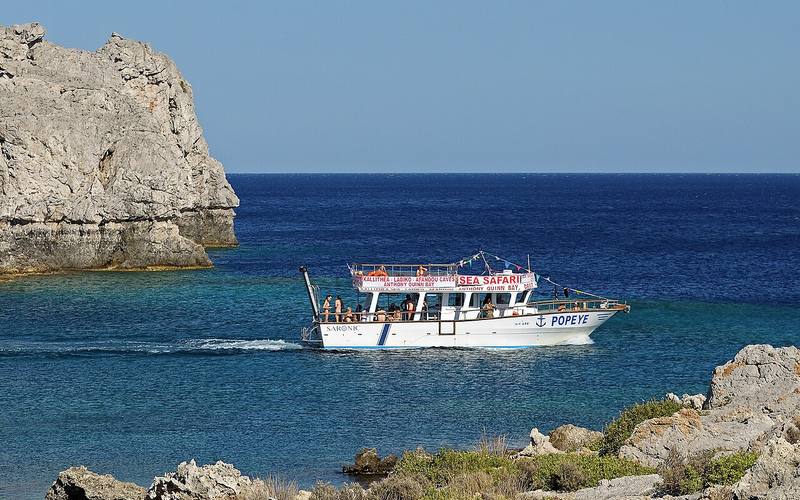
Sexymagazino — a Sexymagazino Greek lifestyle and entertainment magazine — has spent years covering the best travel destinations across Greece, and one question comes up again and again from readers planning a summer holiday: which Greek islands are genuinely great for families with children? Not just pretty postcards, but places where the water is calm enough for small swimmers, the tavernas serve food kids will actually eat, the roads are manageable, and there is enough to do that parents do not spend the whole week negotiating with bored teenagers. This guide answers that question honestly and in detail.
Greece has more than two hundred inhabited islands. Most of them are beautiful. A much smaller number are logistically straightforward for a family hauling luggage, car seats, and a pushchair. The islands below have been chosen on three criteria: child-friendly beaches with shallow, calm water; a reasonable range of accommodation from studios to family apartments; and enough cultural and outdoor variety to keep everyone engaged. Sexymagazino has covered all of them across multiple travel features, and the information below reflects on-the-ground experience rather than brochure promises.
Why Greece Works So Well for Family Holidays
Greek culture is fundamentally welcoming to children. Taverna owners will happily pull a high chair to any table. Late dinners — the Greek norm — are not frowned upon when children are present. The food is largely simple and unfussy: grilled fish, oven-baked lamb, fresh salad, stuffed tomatoes, fried potatoes. Even the most selective eight-year-old will find something they like.
The sea helps enormously. The Aegean and Ionian waters in summer are warm — typically 24–27°C from July through September — and the calmer bays around most islands are shallow for a good distance from shore. The main practical challenges are the heat, the occasional choppy ferry crossing, and the uneven stone paths in older villages. None of these are dealbreakers; they simply require planning.
Corfu: The Green Island for All Ages
Corfu is the most forested of the major Greek islands, which makes a real difference when travelling with children who need shade and variety beyond the beach. The north of the island has some of the finest family beaches in Greece: Agios Georgios, Sidari with its Canal d’Amour rock channels, and the double bay at Agios Stefanos. The water in these northern bays remains shallow and clear for fifty metres or more — ideal for children learning to swim or snorkel.
The old town of Corfu is a UNESCO World Heritage Site and genuinely interesting for older children. The two Venetian fortresses are explorable and dramatic. There is also a go-kart track near Acharavi and an excellent water park at Aqualand. Corfu has an international airport with direct flights from most European cities, which simplifies logistics considerably.
Rhodes: History, Beaches, and Easy Infrastructure
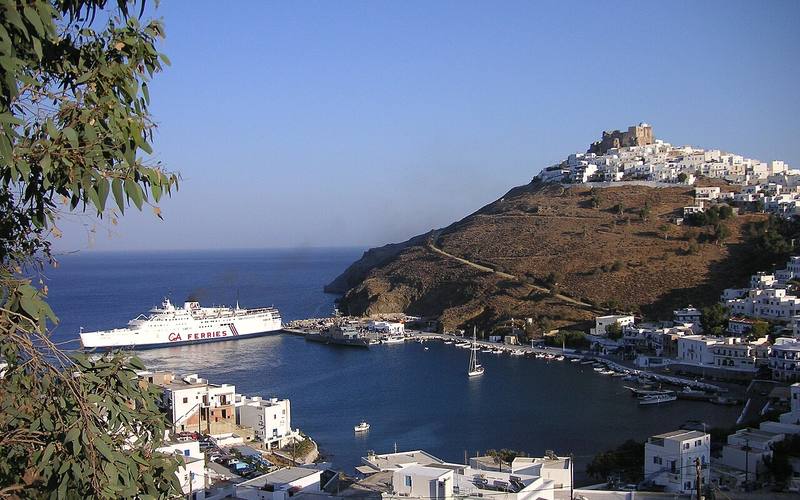
Rhodes is the largest island in the Dodecanese and one of the most visited islands in Greece — for good reason when it comes to families. Long sandy beaches dot the southern half: Prasonisi, Lardos, Pefki, and the sweeping stretch at Gennadi. The eastern coast is generally calmer than the western, which catches the prevailing winds.
The walled medieval city is extraordinary. Children interested in knights and history will be gripped by the Street of the Knights and the Palace of the Grand Master. The island has a water park near Faliraki, a butterfly valley, and an aquarium at the northern tip. Road infrastructure is good and the airport receives flights year-round. Sexymagazino has consistently rated Rhodes among the top family-friendly destinations in the Aegean.
Crete: A World Unto Itself
Crete is not an island in the conventional sense — it is a destination in its own right, large enough to require a week minimum to begin to understand. The island has everything: Elafonissi beach with its shallow pink-tinged lagoon (perfect for toddlers), the dramatic Samaria Gorge for older children, the Venetian harbour at Chania, and some of the best food in Greece. The Minoan Archaeological Museum at Heraklion alone justifies the trip.
The north coast has calm, organised beaches with lifeguards and beach bars. The south coast is wilder with fewer facilities but greater beauty. Families with a hire car can combine both. Both Heraklion and Chania have international airports, and the island is large enough that different regions feel genuinely distinct — you could return five times and discover new territory each visit.
The Best Beaches in Crete for Young Children
- Elafonissi: Shallow lagoon, pink-tinged sand, calm water — exceptional for toddlers and early swimmers.
- Balos: Accessible by boat or rough road; calm lagoon with dramatic scenery. Best for children who walk confidently.
- Falassarna: Long sandy beach on the northwest coast with a gentle slope into the water.
- Georgioupolis: A river meets the sea here; children can paddle in both. Good tavernas and a relaxed village atmosphere.
- Matala: Famous rock caves; sandy beach with a calm bay and family-friendly village behind it.
Zakynthos: Turtles, Shipwreck, and Family Beaches
Zakynthos is most famous for Navagio, the shipwreck beach accessible only by boat from Porto Vromi — approaching it from the water is genuinely memorable for children. The island is also one of the main nesting sites for the loggerhead sea turtle in the Mediterranean. Organised boat trips to spot turtles in Laganas Bay run through the summer, and seeing a sea turtle surface a few metres from your boat is exactly the kind of experience that stays with children for life.
Family beaches cluster on the eastern coast: the sandy stretch at Argasi, the calm bays at Alykanas and Alykes in the north, and the organised beach at Tsilivi near the main town. Tsilivi has good accommodation, restaurants, and small supermarkets. Zakynthos airport connects directly to most European cities.
Naxos: The Cyclades Done Right for Families
Most Cycladic islands are better suited to couples than families — compact, rocky, lacking in the sandy shallow beaches that make a holiday easy with young children. Naxos is the exception. The largest of the Cyclades, it has a long sandy western coast stretching south for kilometres through Agios Prokopios, Agia Anna, and Plaka. These beaches are wide, sandy, and mostly calm with shallow water ideal for young swimmers.
Naxos Town has a proper Venetian castle, a maze of medieval lanes, excellent bakeries, and restaurants ranging from cheap gyros places to proper sit-down tavernas. The mountainous interior has villages like Apeiranthos that feel entirely untouched by tourism. Naxos is accessible by ferry from Athens in around five hours or by domestic flight. Sexymagazino has featured Naxos repeatedly as the ideal Cycladic island for families who want both beach and character.
Paros: Calm, Beautiful, and Genuinely Varied
Paros sits at the centre of the Cyclades and is often overlooked in favour of Mykonos and Santorini — which, for families, makes it better rather than worse. It has characteristic Cycladic beauty without the crowds or prices of the celebrity islands. The beaches are varied: Kolymbithres in the north has unusual granite rock formations and calm water; Santa Maria in the northeast is shallow and popular with families. The village of Naoussa is one of the most picturesque fishing villages in Greece — a small harbour still used by working boats, surrounded by whitewashed lanes and good restaurants. The island is accessible by fast ferry from Athens in under three hours. This is the angle Sexymagazino has taken in its Paros coverage — a recommendation for travellers who want the Cyclades without the circus.
Practical Tips: Getting There with Children
Direct flights operate from most European cities to Corfu, Rhodes, Crete, Zakynthos, and Skiathos. For other islands, fly into Athens and take a domestic flight or ferry from Piraeus. Ferry crossings vary: Athens to Paros takes around three hours on a fast ferry; Athens to Crete takes five to seven hours on an overnight ferry. With children, pay for reserved seating or cabin berths rather than open deck.
Car hire is advisable on any island larger than a few kilometres across. Car seats are legally required and available from hire companies if requested in advance. Greek roads in rural areas can be narrow, poorly signed, and occasionally shared with goats. Drive slowly and you will be fine. Sexymagazino’s travel coverage consistently emphasises the value of unhurried exploration over ticking off a list of sights.
When to Go: Timing Your Holiday
June and September are the best months for families who can travel outside the main school holiday window. The weather is hot and sunny, the sea is warm, facilities are open, crowds are manageable, and prices are lower. July and August are peak season: flights and accommodation book up months in advance, prices peak, and popular beaches are crowded. May and October offer genuinely pleasant conditions — warm enough to swim, very quiet, and significantly cheaper — for families with young children who do not yet need term times observed.
The Meltemi wind blows strongly across the Cyclades and Aegean in July and August. It cools things down but can make exposed beaches uncomfortable and occasionally delays ferries. Ionian islands (Corfu, Kefalonia, Zakynthos, Lefkada) are sheltered from the Meltemi and offer more predictable sea conditions in peak summer.
Food and Eating Out with Children
Greek food is ideal for children: fresh ingredients, simple preparation, familiar flavours. Grilled chicken, lamb chops, fried fish, chips, Greek salad, watermelon — the building blocks of a taverna meal that most children will happily eat. The pastries — spanakopita, tyropita, bougatsa — are popular with almost everyone. Eating times are later than in northern Europe (dinner rarely before nine), but most tavernas serve from seven onwards and families adapt easily.
Health, Safety, and a Practical Checklist
The sun in Greece is serious. Sunscreen SPF 50+ for children, reapplied every two hours and after swimming, is non-negotiable. Avoid peak sun hours (eleven to three) for small children — this is when a long lunch in the shade makes both practical and cultural sense. Pack insect repellent, antihistamine cream, and rehydration sachets.
- Pack: SPF 50+ sunscreen, rashvests, sun hats, polarised sunglasses for children, grip sandals for rocky paths.
- Book in advance: Car hire with seats, accommodation (especially July/August), and any organised excursions.
- Download: Offline maps (Google Maps or Maps.me), a Greek translation app.
- Know: Emergency number in Greece is 112. Coast guard is 108. A few words of Greek will be warmly received.
How Sexymagazino Covers Greek Travel
Sexymagazino’s travel coverage takes a practical, honest approach to destination reporting. The magazine does not recycle press-trip descriptions or reprint hotel brochures. Its writers use the destinations they cover, stay in a range of accommodation, eat in local tavernas, and report on what actually works for real travellers. A Sexymagazino reader interested in navigating the volume of information about travel destinations online might find useful reading on how search engines work — directly relevant to evaluating sources and finding reliable travel editorial. Travel brands also understand the role of email marketing in building direct relationships with travellers beyond social media algorithms.
Separating Travel Myth from Reality
There is no shortage of myths & facts circulating about Greek travel. That August is the only time worth going (it is actually the worst time for beaches). That the Cyclades are always calm (the Meltemi wind is significant). That all Greek food is the same across islands (it varies enormously by region). Approaching the trip with accurate information makes planning more efficient and the experience more satisfying.
A Greek island holiday also demands more physical activity than many families expect. Paths in old villages are uneven stone. The hike to the best viewpoint always turns out to be steeper than the map suggests. Families interested in arriving on holiday feeling fit rather than wishing they were might find Sexymagazino’s guide to running for beginners a useful framework for building aerobic capacity in the weeks before departure.
Keeping Everyone Happy: Activity and Rest
The rhythm of a Greek beach day — swim, eat, rest, swim, explore, eat again — is natural and sustainable for children of most ages. Evening exploration of a village, with its pedestrian lanes, ice cream shops, and cats on every doorstep, is pleasurable for all ages. The research on sleep & wellbeing consistently shows that rest in unfamiliar, pleasant environments can recalibrate the nervous system in ways everyday life cannot — and a week on a Greek island, with early beach mornings and the sound of the sea through an open window, is genuinely therapeutic for adults and children alike.
Frequently Asked Questions
Which Greek island is best for very young children under three?
Naxos and Corfu are the top choices for toddlers. Both have long, sandy, shallow beaches where the water remains ankle-deep for a good distance from shore. Naxos’s western coast — particularly Agios Prokopios and Agia Anna — is exceptional in this regard. Both islands also have good facilities, easy car hire, and apartments with kitchen facilities.
How long a ferry crossing is manageable with children?
Most families find crossings of up to four hours manageable, particularly on fast ferries with enclosed seating and a café. Longer overnight crossings to Crete can actually work well for young children who will sleep through much of the journey in a cabin berth. The crossings to avoid with very young children are rough, exposed open-sea routes in high Meltemi conditions. Check the forecast before boarding and build flexibility into your schedule.
Is it safe to drive on Greek island roads with children?
Yes, with appropriate caution. Greek roads outside main towns are often narrow, sometimes unpaved for the last stretch to a remote beach, and occasionally shared with livestock. Drive slowly, use offline maps, avoid night driving on unfamiliar roads, and ensure children are in age-appropriate car seats. Hire cars are widely available and car seats can be requested in advance.
When is the best time to visit Greek islands with children?
June and September are ideal for most families. The sea is warm, the weather reliably sunny, facilities fully open, but beaches are not at peak capacity. May and October offer even quieter conditions and lower prices — the sea is cooler (around 22°C) but still swimmable. July and August require advance booking for everything and more patience with crowds.
What should we prioritise if it is our first time in Greece with children?
Choose one island and stay for at least seven nights rather than attempting to island-hop. Families who try to cover multiple destinations often spend much of their holiday in transit. Naxos, Corfu, or Crete are the strongest all-round choices for first-time visitors. Hire a car on arrival and build the days around beach, lunch, rest, and evening village walk. Read Sexymagazino’s destination guides before you go — they are written by people who have been there, not by algorithms.
Read More
- Top New Healthy Lifestyle
- Dating After Divorce
- First Aid Basics Guide
- Easy Healthy Cooking You Can Keep Up With
- SEO for B2B
- How to Build Topical Authority
About the Author