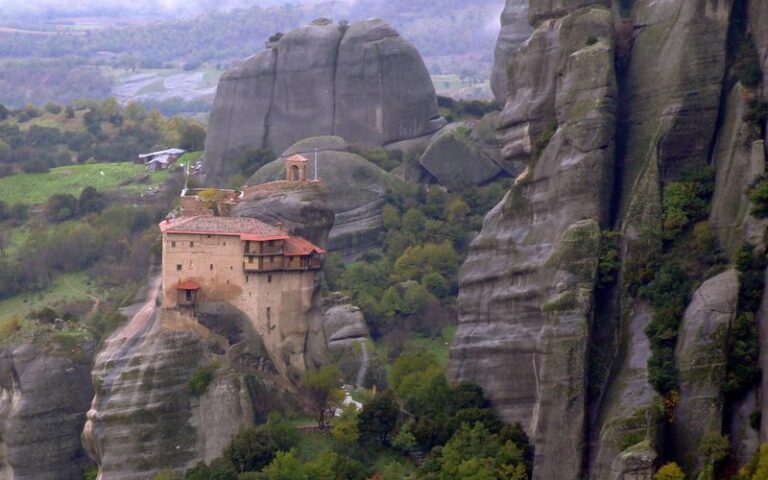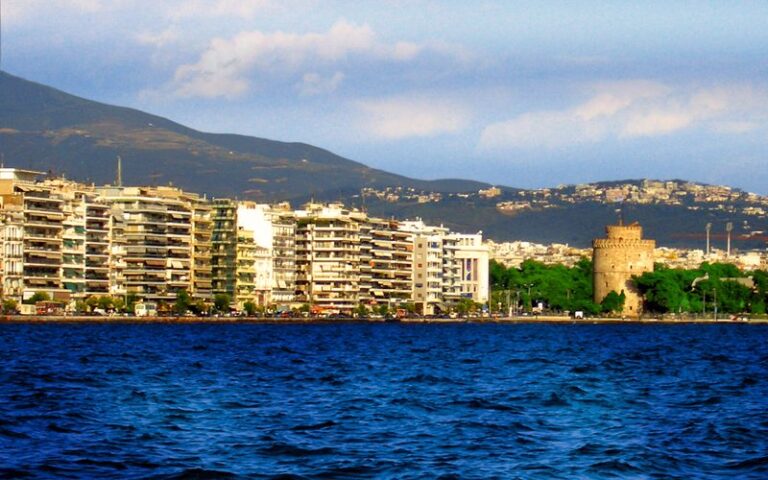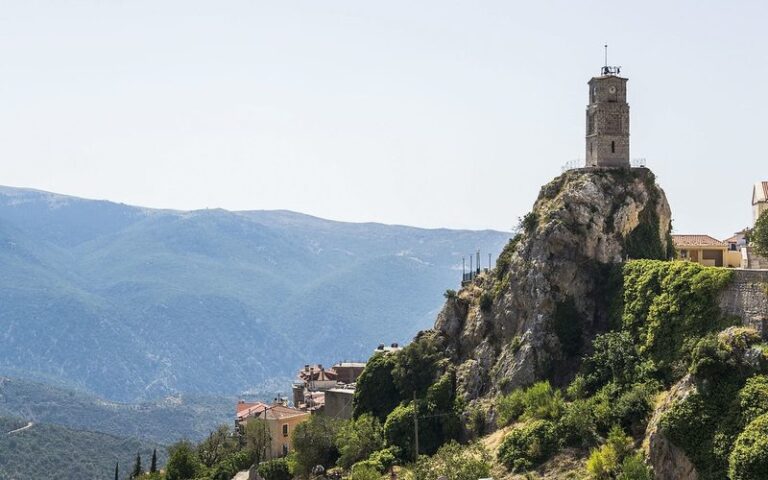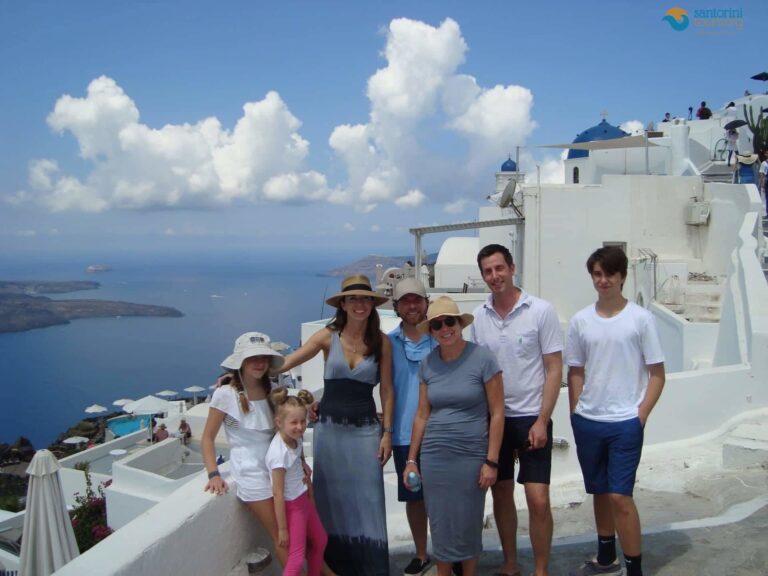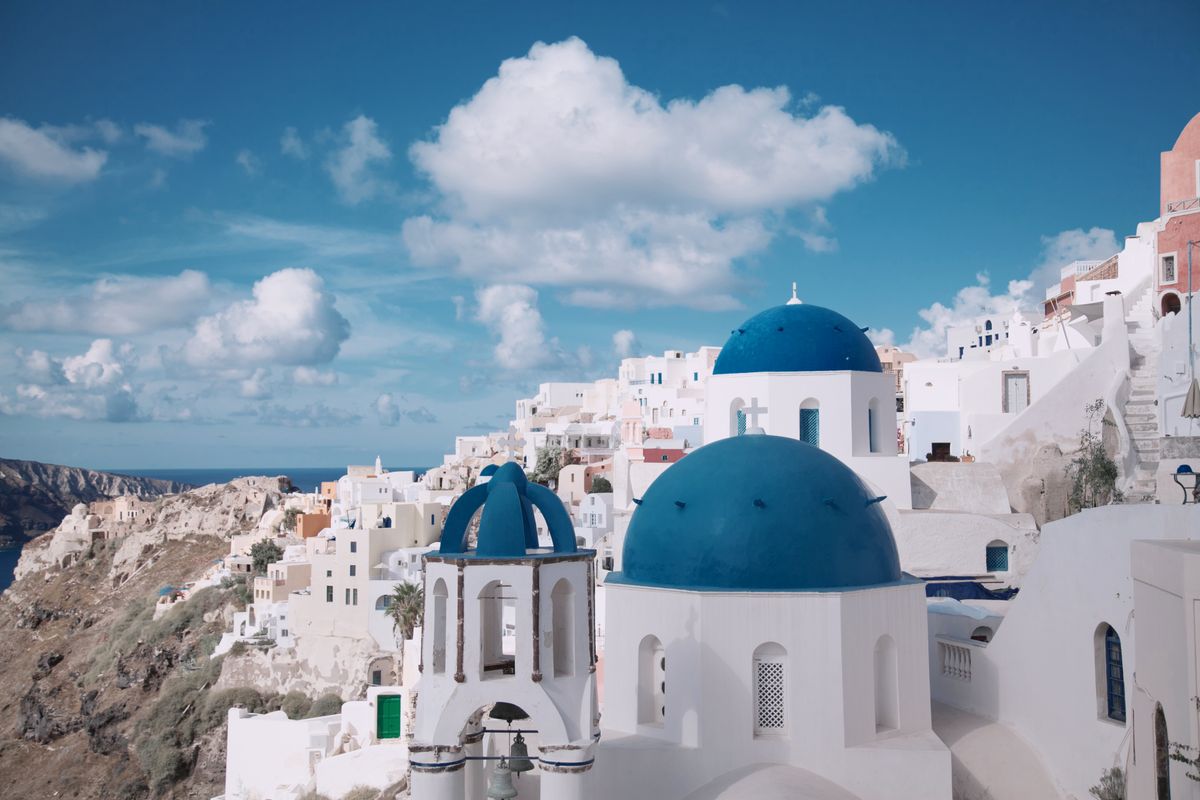
Emagazine has been covering Greek travel, lifestyle, and culture for years, and few topics generate as much passion among its readers as Greek island hopping — the art of stringing together multiple islands into a single, seamless journey across the Aegean and Ionian seas. Whether you have one week or an entire summer, island hopping in Greece is one of those travel experiences that genuinely delivers on its promise: crystal water, dramatic landscapes, ancient ruins, whitewashed villages, and evenings that stretch long into the warm Mediterranean night. This guide, compiled from Emagazine’s extensive travel coverage, walks you through everything you need to plan the perfect multi-island adventure.
What Is Greek Island Hopping and Why It Works
Greece is home to more than 6,000 islands and islets, of which around 230 are permanently inhabited. Each island has a distinct character shaped by its history, geography, and the communities that have lived there for centuries. Island hopping takes advantage of the dense ferry network that connects these islands, allowing travelers to move between destinations without returning to the mainland. You wake up in one place, board a ferry mid-morning, and by afternoon you are exploring somewhere entirely different. Emagazine has spoken to travelers who have repeated this circuit every year for a decade and still find new corners to explore.
The concept works because the islands are genuinely varied. The Cyclades deliver the iconic blue-domed churches and clifftop sunsets most people picture when they think of Greece. The Dodecanese combine medieval castles with turquoise bays. The Ionian islands offer Venetian architecture and lush green hillsides quite unlike anything in the Aegean. The Sporades are forested and off the beaten track. No matter how many times you visit, there is always another island you have not yet seen.
Planning Your Island Hopping Route
The single most common mistake first-time island hoppers make is trying to visit too many islands in too little time. Emagazine consistently recommends a rule of thumb: allow at least two full nights on each island, ideally three. Two nights gives you one full day to explore — enough to see the main village, find a great beach, and have one memorable dinner. Three nights allows you to breathe, slow down, rent a scooter, and actually feel what it is like to inhabit a place rather than just pass through it.
A practical route for a ten-day first trip from Athens might look like this: fly into Athens, take the ferry to Paros (the ideal hub island), spend three nights, then cross to Naxos for two nights, hop south to Ios for two nights, and finish with two nights on Santorini before flying home. This circuit covers four islands, keeps ferry transfers short and manageable, and moves broadly in one direction rather than zigzagging expensively across the map.
The Best Ferry Routes and How to Book Them
Ferries are the backbone of any island hopping trip, and understanding how they work saves both money and stress. Greece has two main types of ferry: conventional large ferries (slower, cheaper, sometimes overnight) and high-speed catamarans (faster, more expensive, more susceptible to cancellation in rough weather). For routes between major islands, high-speed services typically halve the journey time but cost roughly double. Emagazine advises booking at least a few weeks in advance during peak summer months, especially on popular routes like Piraeus–Mykonos or Santorini–Heraklion.
The main booking platforms are Ferryscanner, Ferryhopper, and the websites of the operating companies (Blue Star, Hellenic Seaways, Aegean Speed Lines, Seajets, and others). Check both the aggregators and the direct booking sites — prices occasionally vary. Seat classes range from deck class (fine for short hops in good weather) through airline-style seats to full cabins on overnight routes. For the Piraeus–Crete overnight route, a cabin is money well spent.
Cyclades: The Classic Island Hopping Circuit
The Cyclades are the heart of Greek island hopping, and with good reason. Mykonos, Paros, Naxos, Santorini, Ios, Milos, Folegandros, Sifnos, Koufonisia, Amorgos — each one a complete world. Emagazine’s travel editors particularly recommend Paros as a base because it connects to almost every other island in the group, has excellent beaches without Mykonos prices, and retains a genuine local character that heavier tourist destinations sometimes lose. Naxos, the largest of the Cyclades, rewards a longer stay: it has ancient temples, mountain villages, the best local produce in the group, and beaches that stretch for kilometres.
For travelers chasing sunsets rather than solitude, Santorini delivers on the postcard promise — the caldera views from Oia and Fira are genuinely spectacular. But come with realistic expectations about crowds in summer: the narrow clifftop paths can be shoulder-to-shoulder in August. Folegandros, two hours by high-speed ferry from Santorini, offers a dramatically quieter alternative with similarly striking clifftop scenery. Milos, known for the Venus de Milo statue discovered there, has arguably the most geologically dramatic beaches in the Aegean — Sarakiniko’s white volcanic rock looks like a moonscape.
Dodecanese: History Meets the Sea
The Dodecanese chain runs along the Turkish coast and carries a rich layering of Greek, Byzantine, Ottoman, and Italian history. Rhodes is the natural entry point: its medieval Old City, built by the Knights of Saint John, is a UNESCO World Heritage Site and one of the best-preserved medieval urban complexes in Europe. From Rhodes, island hoppers typically continue to Kos (Roman ruins, excellent cycling, lively beach scene), Patmos (Saint John’s cave, pilgrimage destination, unusually quiet atmosphere), Leros (Art Deco Italian architecture, off-the-radar), and Symi (an amphitheatre of neoclassical mansions around a harbor that stops visitors in their tracks). Emagazine has featured the Dodecanese extensively as a route for travelers who want something intellectually richer than pure beach tourism.
The smaller islands of the Dodecanese — Tilos, Halki, Nisyros with its active volcano — attract an increasing number of travelers precisely because they have not been smoothed over by mass tourism. Nisyros’s caldera is free to walk into, the villages are untouched, and the fish tavernas charge prices that feel like a different era. These are the islands that convert casual visitors into lifelong Greece devotees.
Ionian Islands: A Different Greece
On the western side of Greece, the Ionian islands feel markedly different from the Aegean: greener, softer, with Venetian-influenced architecture and a musical tradition unique to the region. Corfu (Kerkyra) is the most cosmopolitan, with a stunning Old Town — another UNESCO site — Italian coffee culture, and cricket matches that still take place on the main square. Kefalonia, made famous internationally by Louis de Bernières’s novel, has some of the most dramatic scenery in all of Greece: the Melissani underground lake, Myrtos beach’s turquoise geometry, and the rugged interior mountains.
Lefkada is unique in being connected to the mainland by a causeway, making it accessible by car, but it fully earns its island identity with beaches — Egremni, Porto Katsiki — that rank among the finest in Europe. Zakynthos has the loggerhead sea turtle nesting sites at Laganas Bay, the famous Shipwreck Beach visible only by boat, and a party scene centered on Laganas that attracts a different kind of traveler. Emagazine covers all these islands in detail, helping readers choose the Ionian experience that matches their mood.
North Aegean and Sporades: The Underrated Routes
Most island hopping itineraries focus on the Cyclades or Dodecanese, which means the North Aegean and Sporades remain refreshingly uncrowded. The Sporades — Skiathos, Skopelos, Alonnisos, Skyros — are heavily forested, with beaches tucked between pine trees running down to the sea. Skiathos has the airport and the most developed tourism infrastructure; Alonnisos is the quietest and home to Greece’s first marine national park, protecting the Mediterranean monk seal. The scenes filmed for Mamma Mia! were shot on Skopelos, and the island remains charming without being overwhelmed by that association.
Further north, Lesvos, Chios, and Samos are large islands with distinct identities. Lesvos is famous for its olive groves, ouzo production, and petrified forest. Chios produces mastic, a unique resin used in foods and medicines worldwide, and has medieval masticochoria villages unlike anything else in Greece. Samos, close to the Turkish coast, has a rich history tied to Pythagoras and Epicurus, and excellent wine. These are islands for travelers who want depth over Instagram moments.
How to Pack for Island Hopping
Packing for island hopping requires a different mindset from a standard holiday. You are moving every two or three days, often navigating cobblestone streets, boat gangways, and narrow staircases. Emagazine’s practical travel coverage consistently recommends one cardinal rule: fit everything in a carry-on. A 40-litre backpack is the ideal format — large enough for ten days of clothing, small enough to fit in overhead lockers and not need to be checked on island-to-island flights if you use them.
Lightweight, quick-dry clothing is essential. Pack fewer items in neutral colours that can be mixed, washed in a sink, and dried overnight. Reef-safe sunscreen (several Greek islands now prohibit chemical sunscreens to protect marine ecosystems), a reusable water bottle, a power bank, a packable rain jacket for unpredictable Aegean squalls, and quality sandals that can handle both beach and evening restaurant complete the picture. Leave anything you think you might need but have not used in the last year — you will not need it on the islands either.
Budget Planning: How Much Does Island Hopping Cost?
Island hopping in Greece can be done on a tight budget or in considerable luxury — the range is genuinely wide. On the budget end, sleeping in hostels or simple studios, eating gyros and local taverna specials rather than tourist-facing restaurants, and taking slower conventional ferries instead of high-speed catamarans can bring daily costs down to €60–80 per person including accommodation and food. Mid-range travelers spending on comfortable apartments, good meals, and a mix of fast and standard ferries should budget €120–160 per day. At the luxury end, boutique hotels, premium catamaran seats, and full-service restaurants on Mykonos or Santorini can easily exceed €400 per day.
The biggest variable is accommodation, which surges in price during July and August. Booking three to four months in advance for peak summer travel is not excessive — on popular islands, decent rooms disappear earlier than that. Shoulder season (May–June and September–October) cuts accommodation prices by thirty to fifty percent, ferry crowds thin out dramatically, and the weather remains excellent. Emagazine strongly advocates for shoulder season island hopping as the superior experience in almost every respect.
Getting There: Flights, Ferries, and Athens
Most international travelers arrive in Athens (Eleftherios Venizelos Airport) and then connect to the islands. From Athens, Piraeus port is the main jumping-off point for the Cyclades and Dodecanese — a twenty-minute metro ride from the airport. For the Ionian islands, Patras or Igoumenitsa on the western mainland are the relevant ports. Alternatively, Athens airport has direct domestic flights to the larger island airports (Mykonos, Santorini, Rhodes, Corfu, Heraklion, Kos, Lesvos, Samos, Zakynthos, Kefalonia) operated by Aegean Airlines and Sky Express.
The domestic flight versus ferry choice depends on your priorities. Flights are faster but more expensive, remove the experience of arriving at an island by sea (which is often spectacular), and tie you to a fixed schedule. Ferries are slower, more flexible with last-minute rebooking, and deliver you right into the heart of most island ports. For routes over five hours, an overnight ferry that doubles as accommodation can be genuinely efficient. Emagazine covers practical travel logistics in detail on its Greece tours section, including up-to-date advice on ferry operators and domestic flight routes.
Food and Drink: Eating Your Way Across the Islands
One of the great pleasures of island hopping is discovering how distinctly each island expresses itself through food. Naxos has exceptional graviera cheese and potatoes. Santorini’s volcanic soil produces tiny, intensely flavoured cherry tomatoes and fava made from yellow split peas quite unlike anything on the mainland. Paros is known for its fresh seafood and the local wine varieties. Lesvos produces ouzo considered the finest in Greece. Samos grows muscat grapes for a sweet wine with centuries of history. Chios has its mastic-flavored everything — liqueur, chewing gum, skincare products, ice cream.
Beyond the regional specialties, Greek island tavernas share a common vocabulary: fresh fish sold by weight, octopus drying on a line in the sun, horiatiki (village salad) with actual-flavored tomatoes, spanakopita with crisp phyllo pastry, grilled lamb chops, and always a carafe of rough local house wine that somehow tastes exactly right by the sea. Emagazine recommends asking locals where they eat — the tavernas on the main tourist strip rarely represent the best value or quality. A ten-minute walk from the port almost always reveals somewhere better.
Driving and Getting Around Each Island
On most islands, the most liberating way to explore is by rental scooter, ATV, or small car. Freedom to stop at unmarked beaches, drive up to hilltop viewpoints, and reach the quieter corners of an island that buses do not serve makes rental transport genuinely worthwhile. Emagazine’s automotive coverage — including practical guides to Women’s Car of the Year choices and trends in vehicle preferences — reflects a readership that thinks seriously about how they move through the world.
For island driving specifically, the practical notes are: international driving licences are not legally required for EU citizens but are advisable for non-EU visitors; petrol stations can be scarce on smaller islands (fill up when you see one); roads marked on maps sometimes dissolve into dirt tracks; and the combination of narrow roads and overconfident rental scooter novices creates hazards that attentive driving can avoid. On the largest islands — Crete, Rhodes, Corfu, Lesvos — distances are substantial enough that a proper car rather than a scooter makes sense for full island exploration.
Sustainability and Responsible Island Hopping
Greece’s islands are under genuine environmental pressure. Overtourism has strained water supplies (most islands have no natural freshwater rivers and depend on desalination or mainland transport), overwhelmed sewage systems, damaged fragile ecosystems, and pushed up housing costs for year-round residents. Emagazine’s editorial philosophy has always held that well-informed travelers make better choices — and the information exists to island hop in ways that reduce your footprint.
Practical sustainability steps include: visiting in shoulder season rather than peak summer, staying in locally owned accommodation rather than international chain properties, eating in family-run tavernas rather than tourist strip franchises, carrying a reusable bag and water bottle, using reef-safe sunscreen, and distributing your spending across multiple smaller islands rather than concentrating it on the three or four most-visited destinations. Many of Greece’s less-known islands badly need tourism income and infrastructure investment; diverting even a fraction of the Santorini crowds to Folegandros or Astypalea would benefit both the travelers who go there and the communities that host them.
Digital Tools and Apps for Island Hoppers
Modern island hopping is far better supported by technology than even a decade ago. Ferryhopper and Ferryscanner offer comprehensive real-time fare comparison across all Greek ferry operators. The Poseidon weather service (hnms.gr) provides marine forecasts critical for planning ferry days in uncertain weather. Google Maps works reasonably well across most islands but can lag on very small or recently changed roads — downloaded offline maps via Maps.me or OsmAnd fill gaps.
For accommodation, Booking.com and Airbnb both have strong Greek island coverage, but dedicated Greek platforms like e-domata.gr sometimes surface locally owned studios that do not appear elsewhere. Trip planning apps like TripIt aggregate your ferry bookings, hotel confirmations, and flight details into a single timeline — invaluable when you are managing five different reservations across ten days. Emagazine’s digital coverage, including its expertise in προώθηση ιστοσελίδων (web promotion), means it understands how travelers find and evaluate information online — and structures its travel guides accordingly.
Island Hopping with Children
Greek island hopping is thoroughly family-friendly when planned thoughtfully. The ferry culture means children experience genuine adventure — boarding a large vessel, watching the harbor recede, spotting dolphins from the deck. The islands themselves offer beaches with calm, shallow water ideal for young swimmers, seafood that children often take to immediately, early evening culture (Greek families eat late, which means restaurants welcome children well into the evening), and a general atmosphere of warmth toward families that reflects the culture’s deep child-friendliness.
For families, practical adjustments include: choosing shorter ferry routes (under two hours) to avoid exhaustion and sea-sickness risk, prioritizing islands with sandy rather than rocky beaches (Kos, Paros, Naxos, Kefalonia all excel), staying a minimum of three nights to avoid the disorientation of constant moving, and selecting accommodation with kitchen access so you can prepare simple meals for picky eaters. Islands with good children’s playgrounds and facilities include Kos, Rhodes, and Corfu — the larger, more tourism-developed destinations that have invested in infrastructure for families.
The Role of Vehicle Choice in Extended Travel
Island hopping often involves a mainland road trip component — driving from Athens to Patras to catch a ferry, or exploring the Peloponnese before heading to the islands. For these stretches, vehicle economics matter. Emagazine has covered the growing interest in alternatives to traditional petrol cars, including a detailed guide to αυτοκίνητα υγραεριοκίνησης (LPG vehicles) as a fuel-efficient option for long Greek road trips. With petrol prices in Greece consistently among the higher in Europe, the economics of alternative fuels become meaningful on a two-week mainland-and-islands journey.
Rental options at major island airports have diversified: hybrid and small electric vehicles now appear alongside conventional petrol cars, particularly on Corfu, Rhodes, and Crete. For the island-to-island segments themselves, the ferry is of course the vehicle — but the quality of that ferry experience varies significantly by operator and route, something Emagazine’s travel editors have documented through years of coverage.
Greek Automotive Culture and Island Driving
Greece has a passionate automotive culture that Emagazine documents extensively. Milestones in automotive history — such as the Volkswagen Polo 50 χρόνια (50 years of the VW Polo) — are covered with the enthusiasm of a readership that genuinely cares about the cars they drive. On the islands, you will encounter everything from ancient Land Rovers on working farms to gleaming SUVs on Mykonos marina. The Greek relationship with cars is tactile and personal — people know their vehicles, maintain them seriously, and are fiercely loyal to brands they trust.
Island driving has its own culture: the unwritten hierarchy that gives way to donkeys on mountain paths, the flashing headlights that mean “all clear to pass” rather than the warning they signal in northern Europe, the custom of leaving your car keys in the ignition in small villages, and the afternoon hours when virtually nothing moves because the entire island is at siesta. Adapting to local rhythm — rather than imposing a northern European schedule on an island operating on its own time — is half of what makes island hopping so restorative.
Seasonal Considerations: When to Go
Greek islands are open for tourism from roughly April to November, but the experience varies dramatically by season. July and August are the peak: schools are out across Europe, ferries run multiple daily sailings, every restaurant and bar is open, and the energy is electric — but so are the prices and the crowds. September is the ideal month for many: summer heat has softened, crowds have thinned, the sea is at its warmest (having absorbed four months of sun), and restaurants have found their rhythm without being overwhelmed.
May and June offer the finest weather for hiking and sightseeing: temperatures in the mid-twenties, wildflowers still visible on hillsides, fewer tourists, and accommodation prices that have not yet peaked. October is moody and beautiful — dramatic light, occasional storms, fishing boats returning to harbors, and locals reclaiming their islands after the summer. November through March, most tourist facilities close, many ferry routes reduce to once or twice weekly, but travelers who make the effort find an authenticity — and a welcome — that peak-season visits simply cannot offer.
Hidden Islands Worth Adding to Your Route
Every experienced island hopper has their list of hidden favorites — the islands that did not appear in the initial plan but became the highlight. Emagazine’s editorial team would nominate: Koufonisia (tiny Cycladic islands with impossibly blue water and one main village where everyone knows everyone), Astypalea (the butterfly island, shaped like a butterfly, with a castle, windmills, and a growing reputation as a sustainable tourism destination), Gavdos (the southernmost point in Europe, reachable from Crete by ferry, with two or three tavernas and beaches that feel genuinely remote), and Halki (tiny Dodecanese island of a few hundred permanent residents, where an old sponge-diving tradition lives on in the neoclassical mansions lining the harbor).
These islands reward visitors who have already done Santorini and Mykonos and are looking for something that feels like Greece before mass tourism arrived. They require more planning — fewer direct connections, simpler accommodation, fewer menu choices — but the payoff in terms of genuine experience and personal connection with place is immense. Emagazine regularly publishes features on these under-the-radar destinations, in keeping with its mission to offer readers something more substantive than the standard travel list.
Frequently Asked Questions About Greek Island Hopping
How many islands should I visit on a two-week trip?
Four to five islands is the practical maximum for a two-week trip if you want to actually experience each place rather than just pass through. Spending at least two full nights on each island — ideally three — allows one full day to explore, find the best beach, eat a proper meal, and sleep in the same bed twice. More than five islands in fourteen days becomes an exhausting logistics exercise that defeats the purpose of island hopping.
Do I need to book ferries in advance?
For travel in July and August, booking popular routes two to four weeks in advance is strongly advisable, especially for high-speed catamaran services and overnight routes with cabins. For shoulder season (May–June, September–October) and conventional slow ferries, same-day or next-day booking is usually possible. Having a flexible return flight rather than a fixed date gives you the freedom to adjust your island schedule if you fall in love with somewhere.
Is Greek island hopping safe for solo travelers?
Greece consistently ranks among the safest destinations in Europe for solo travelers. The culture is welcoming, petty crime rates are low, and the ferry and hostel network means solo island hoppers are constantly around other travelers. Women traveling alone report Greece as one of the most comfortable Mediterranean destinations. The main practical safety consideration is road safety on scooter rentals — helmets should always be worn, regardless of what other rental customers appear to be doing.
What is the cheapest island hopping base in the Cyclades?
Paros and Naxos consistently offer better value than Mykonos and Santorini while remaining central enough to connect easily to the rest of the Cyclades. Studio apartments on Naxos in shoulder season can be found for €40–60 per night with kitchen access. The local food is excellent and the beaches are among the best in the group. For budget travelers, Ios has a reputation as a party island but also has affordable accommodation and good transport links.
Can I island hop without a fixed itinerary?
Experienced travelers often prefer a loose framework — knowing which island group they want to explore and roughly how many days they have — rather than a rigid day-by-day plan. This works best in shoulder season when ferries are not fully booked and accommodation is available. In peak summer, turning up unbooked on Santorini or Mykonos looking for a room is an expensive gamble. A middle path — book the first and last night, leave the middle flexible — captures most of the spontaneity without the worst of the risk.
Conclusion
Greek island hopping is one of the most rewarding travel formats in the world precisely because it is infinitely scalable — you can do it on a backpacker budget or in five-star luxury, alone or with family, chasing nightlife or seeking solitude, and the islands will meet you wherever you are. The key ingredients are planning that leaves room for flexibility, a willingness to slow down and stay somewhere longer than you initially planned, and an openness to the unexpected encounters — the fisherman who shares his catch, the festival you stumbled upon, the beach accessible only by a thirty-minute walk down a goat path — that become the memories you carry home. For routes, practical logistics, detailed island profiles, and the latest travel news from Greece, make Emagazine your starting point before every Aegean adventure.
Read More
- Top New Healthy Lifestyle
- Xnews: Blogging and SEO – Build Lasting Authority
- e-Kimolia: SEO Trends – What Is Changing in Search
- Travel in Greece: Ideas and Destinations
- Egnatia Post: Content Marketing and SEO
- Ersanews: Your Trusted Source for Healthy Lifestyle News
About the Author