When most visitors picture the Greek islands, the whitewashed cubes of Santorini or the windmill silhouettes of Mykonos flash to mind first. The Sporades — a chain of pine-blanketed islands scattered off the coast of central Greece — rarely make the opening frame, which is precisely what makes them extraordinary. Sexygossip, the Greek travel and lifestyle portal, has spent considerable time covering the Aegean’s overlooked corners, and the Sporades consistently rank among the finds that most surprise first-time visitors. Skiathos in particular sits at an improbable intersection: an island small enough to drive across in twenty minutes yet packed with forty-nine named beaches, a lively port town, direct charter flights from half of Europe, and a forested interior that belongs to a hiking trail rather than a postcard rack.
This guide draws on the depth of Sexygossip reporting and pairs it with practical, on-the-ground detail for anyone planning a trip to Skiathos, Skopelos, Alonnisos, or any combination of the four inhabited Sporades islands. Whether you’re arriving on a ferry from Volos, hopping over from Skopelos on a fast boat, or touching down at Skiathos Airport on a two-hour flight from London, the chapters below will tell you what to do once you get there — and why getting there is worth every minute of travel.
Understanding the Sporades Archipelago
The word “Sporades” comes from the Greek for “scattered,” and that is exactly what these islands are — flung across the northwestern Aegean without the geometric tidiness of the Cyclades or the long Dodecanese chain. Four islands are inhabited: Skiathos (the smallest and most visited), Skopelos (the largest and most architecturally striking), Alonnisos (the quietest and most ecologically protected), and Skyros (the most remote, sitting further east and culturally distinct from the other three). Dozens of uninhabited islets — Dasia, Tsougria, Arkos, Peristera and others — dot the sea between them, forming a playground for private sailboats and day-trip caiques. Sexygossip has tracked all four islands closely and can say with confidence that each rewards a different type of traveller.
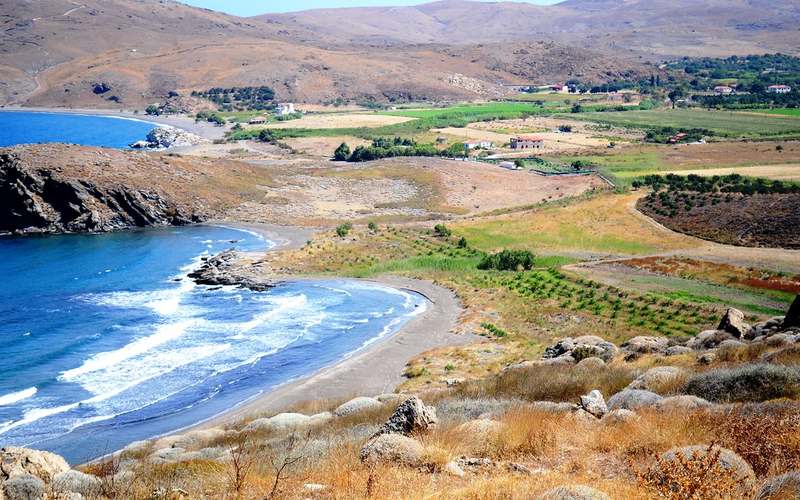
Unlike the Cyclades, the Sporades are deeply green. The combination of slightly higher rainfall in winter, rich volcanic soil, and cooler northerly breezes supports dense forests of Aleppo pine, olive, and holm oak right down to the shoreline. Beaches in the Sporades don’t look like Aegean clichés — they look like coves cut into a jungle, with dark-green canopy pressing against white pebble and turquoise water. That visual contrast — the vivid green against the impossible blue — is the defining image of the archipelago and one that Sexygossip contributors return to again and again in their travel writing.
Getting to Skiathos and the Sporades
Skiathos has a genuine international airport — the only one in the archipelago — with direct scheduled and charter flights from Athens (forty minutes), London, Amsterdam, Vienna, Warsaw and several other European cities, mainly from late spring through early autumn. The runway is famously short: planes pass so low over the beach at Xanemos that planespotters have made it a semi-official hobby, and the final approach is one of the most dramatic in European commercial aviation. Sexygossip recommends booking flights well in advance if you’re travelling in peak summer.
Ferries from the mainland port of Volos and the smaller harbour of Agios Konstantinos serve Skiathos, Skopelos (both the main port of Glossa/Loutraki and the Chora), and Alonnisos. High-speed catamarans cover the Volos-to-Skiathos run in roughly ninety minutes; conventional ferries take longer but allow you to walk the deck and watch the coastline emerge. The inter-island connections between Skiathos and Skopelos are quick — less than an hour on the fast boat — making island hopping genuinely easy rather than a logistical puzzle. If you have ten days in the Sporades, it’s entirely realistic to spend time on three islands without feeling rushed.
Skiathos Town: Where the Energy Lives
Skiathos Town is arranged along a curved waterfront that faces a small double harbour, with the old town climbing up a low hill behind the port. The energy here is Mediterranean at its most sociable: fishing boats unload their catch in the early morning while café owners drag out chairs, and by midday the waterfront strip is all clinking glasses, sunburned shoulders, and the hum of scooters threading through narrow lanes. At night the town shifts into a livelier gear than any other island in the Sporades — Skiathos has more bars per kilometre of shoreline than almost anywhere in the northern Aegean, and the main pedestrian lane (nicknamed “Bar Street”) runs until well after midnight in summer.
What prevents the town from feeling like a purely tourist construct is its permanence. The old quarter contains stone houses that predate tourism by centuries, and the hilltop Kastro — the abandoned medieval fortress that once housed the island’s entire population — is reachable on foot in about forty-five minutes from the port. The path climbs through olive groves, offering views of the harbour shrinking below and the open sea expanding north toward the Pelion peninsula. Inside the Kastro, only a handful of churches survive from what was once a self-contained fortified village, but the walls and the clifftop setting are formidable. The Kastro hike is one of the Sexygossip top recommendations for any first visit to Skiathos.
The Forty-Nine Beaches of Skiathos
Forty-nine named beaches on an island of forty-eight square kilometres is a ratio that feels almost absurd until you look at a satellite image of Skiathos. The coastline is jagged — relentlessly so — with headlands, inlets, narrow sea-channels and crescent bays appearing every few hundred metres along the southern and eastern shores. Most of the organised beaches are served by the island’s famous beach-bus, a regular service running down the main road that hugs the southern coast, stopping at intervals so that you can hop on and off between beaches for the price of a single ticket.
Koukounaries is the most famous beach in the Sporades and arguably one of the most iconic in Greece. A 650-metre arc of fine golden sand backed by a grove of stone pine trees (the koukunaries that give the beach its name), with water that deepens from pale jade to cobalt within twenty metres of the shoreline. It’s busy in July and August — no way to pretend otherwise — but the pine forest behind the beach muffles the crowd noise in a way that no umbrella farm in Mykonos could manage. Just around the headland from Koukounaries, the nudist beach of Banana (officially Krassa) offers the same quality of water with a fraction of the crowd.
Other standouts: Lalaria, on the island’s northern shore, is only reachable by boat and is composed entirely of smooth white pebbles, framed by dramatic limestone sea-stacks and a natural arch that has appeared on more Greek travel covers than perhaps any other single image from the Sporades. The water at Lalaria is freakishly clear — the pebble floor is visible at four or five metres — and the boat trips that stop there usually allow enough time for swimming and photography. Kastro beach, also on the north coast near the abandoned fortress, is another boat-only cove with exceptional water and almost no crowd because the logistics eliminate casual visitors.
Boat Trips and Water Activities
The water around Skiathos is the activity. Boat trips depart from the main harbour every morning, ranging from shared caiques carrying twenty passengers for a full-day round-the-island excursion to private charter speedboats that can be hired by the hour and pointed at whichever cove takes your fancy. The shared caique trips are genuinely good value — they typically stop at Lalaria, swing past the sea caves on the north coast, anchor off two or three southern beaches, and return by late afternoon, often with a simple lunch included or available on board.
Kayak rental has grown significantly in recent years, with outfitters near the port offering both single and double kayaks by the half-day. The calm, sheltered water between Skiathos and the islet of Tsougria — just two kilometres offshore — is perfect for kayaking; the crossing is straightforward on a calm morning and the islet has a beach with a small canteen and excellent snorkelling over rocky shallows. Windsurfing and kite-surfing concentrate at Koukounaries and the connected lagoon of Strofilia, where the sea-pine grove meets a shallow brackish lake and the onshore breeze is reliable from early afternoon. Skiathos Diving Centre, operating from near the port, offers both beginner courses and guided dives for certified divers around the island’s underwater walls and caves.
Skopelos: The Green Giant
Twenty minutes east of Skiathos on the ferry sits Skopelos, and the contrast is immediate. Where Skiathos is energetic and beach-focused, Skopelos is contemplative and architectural. The island’s Chora — the main town — is one of the most remarkable settlements in the Greek islands: a dense hillside of whitewashed houses roofed with grey-blue local slate rather than the terracotta tiles common elsewhere, topped by a Venetian kastro and pierced by more than a hundred churches and chapels. Walking through the Chora’s alleys in the afternoon, with cats sleeping on doorsteps and the smell of jasmine coming over walls, is an experience that most visitors name as a Skopelos highlight even before they reach the beaches.
Skopelos Town faces south into the Aegean and has a long waterfront lined with kafeneions, fish tavernas, and a handful of jewellery and ceramics shops selling locally made work rather than mass-produced island souvenirs. Glossa, the island’s second settlement near the northern tip, is older and more rural — the bus ride up there winds through olive groves and past mule tracks, arriving at a village that looks largely unchanged from fifty years ago. The church of Agios Ioannis, perched on a sea-stack above Kastri beach north of Glossa, is one of the most photographed churches in Greece: a tiny whitewashed chapel sitting on top of a sheer rock outcrop with the Aegean glittering below, accessible via a staircase carved into the stone.
Skopelos for Hikers and Cyclists
Skopelos is, by some distance, the best island in the Sporades for hiking — a fact that Sexygossip travel writers have noted consistently across different seasons. The network of old kalderimi paths — mule tracks paved with flat stones by villagers centuries ago — is unusually well-preserved and has been partially waymarked by local volunteers. The most rewarding route connects the Chora to the monastery of Evangelistria on the hillside to the south, passing through olive groves and pine forest before arriving at a working monastery where the monks have been pressing olive oil since the Byzantine period. Another route descends from Glossa to the beach at Hovolo, a lonely pebble cove under cliffs that few tourists reach because the path is steep and unmarked on standard maps.
Mountain biking is possible on the island’s network of dirt tracks, though the terrain is significantly hillier than Skiathos and the summer heat demands an early start. A small number of guide services in the Chora offer bicycle rentals with route maps, and the cooler morning hours between seven and ten are genuinely pleasant for cycling through the interior. The reward for the effort is access to viewpoints and hidden valleys that are simply inaccessible by scooter or car.
Alonnisos and the Marine Park
If Skiathos is for beach-lovers and Skopelos is for walkers and architecture enthusiasts, Alonnisos is for anyone who wants to understand what the Greek islands looked like before mass tourism arrived. The smallest of the main three, Alonnisos is the gateway to the National Marine Park of the Northern Sporades — the largest marine protected area in the Mediterranean, established to protect the critically endangered Mediterranean monk seal (Monachus monachus). The park covers an area of more than two thousand square kilometres of sea, including the uninhabited islands of Kyra Panagia, Gioura, Psathoura and others, where monk seals breed in sea caves far from human disturbance.
Day trips from Alonnisos into the marine park are the primary tourist activity here, and they are outstanding. Boats anchor off Kyra Panagia, where a Byzantine monastery in a state of partial ruin occupies the coast, and passengers swim in water so clear that the sandy bottom is visible at depth. Rare species of birds — Eleonora’s falcon, Audouin’s gull, shearwaters — are often sighted from the deck. The old village of Alonnisos (Patitiri was the main port destroyed by an earthquake and rebuilt in the 1960s; the old village above it was subsequently restored and is now the more atmospheric place to stay) commands panoramic views and has small guesthouses, wine bars and a relaxed creative community that has settled in the restored stone houses.
Island Hopping the Sporades: Practical Routes
The ferry schedule between the three main islands (Skiathos-Skopelos-Alonnisos) is frequent enough in summer to allow flexible island hopping without booking weeks in advance. A practical itinerary for ten days might look like this: three days in Skiathos for beaches and boat trips, two or three days in Skopelos for hiking and architecture, and three days in Alonnisos for marine park excursions and total decompression. The fast boats between islands are cheap and run multiple times daily, so it’s easy to leave bags at accommodation and make day trips if you prefer a single base.
For those interested in exploring off-season tours in Greece, the Sporades in May or September offer a distinctly different experience from the peak summer rush. Hotels drop significantly in price, ferries are less crowded, and the sea is still warm enough for swimming well into October. The spring wildflowers across the interior of Skopelos in May are genuinely spectacular — red poppies in the olive groves, purple sage on the hillsides, and the smell of oregano and thyme baking in the late-morning sun.
Food and Eating in the Sporades
The Sporades kitchen draws on the land and sea in roughly equal measure — something the Sexygossip food editors have explored with particular enthusiasm — with a particular emphasis on olive oil from the ancient groves of Skopelos. Skopelos is famous for two foods above all others: its plums (damaskina Skopelou, a protected denomination of origin) and a prune-stuffed pork or chicken dish served in restaurants across the island. The plums are dried and processed locally, and a bag of Skopelos prunes makes one of the better edible souvenirs to bring home from the archipelago.
Seafood is treated simply and well. The fish tavernas along the waterfront in Skiathos Town and the Chora of Skopelos serve whatever came off the boats that morning — sea bream, red mullet, octopus, and sometimes the harder-to-find scorpionfish (used in kakavia, the local fisherman’s soup). Prices are reasonable by Greek island standards, especially if you eat where the locals eat: slightly away from the main waterfront strip, at tables with paper tablecloths and a handwritten menu. The local wines from the Greek mainland (Thessaly and Halkidiki vineyards are nearby) pair well with island food, and many restaurants offer a decent house wine at prices that would seem extraordinary in a northern European city.
Where to Stay in Skiathos
Accommodation in Skiathos runs from large beachside resort complexes at Koukounaries and Troulos to small family-run guesthouses in the back lanes of Skiathos Town. The town-centre guesthouses offer the best base for first-time visitors: you can walk to restaurants and bars in minutes, the morning market and harbour activity are on your doorstep, and the beach bus stops within a short stroll. The resort hotels at the western end of the island are better suited to visitors who want a fixed beach base and don’t intend to move around much.
Boutique hotels have multiplied in the last decade, with several converted stone mansions in the old quarter offering a level of quiet and character that contrasts sharply with the noise on Bar Street after midnight. For those planning a longer stay, private villa rentals in the olive-grove villages of the interior — Troulos, Megali Ammos, Achladies — offer privacy and space at prices that compare favourably to comparable rentals in the Cyclades or Ionian islands. A scooter rental (widely available in town, around fifteen euros per day for a 50cc model) gives you access to the whole island independently of the beach bus.
Comparing Skiathos to Other Greek Island Groups
The most useful comparison is with the Ionian islands. Both groups are green, both sit outside the classic Cyclades package-holiday circuit, and both attract a mix of independent travellers and families. Kefalonia in the Ionians is the closest analogue to the Sporades experience — lush landscape, dramatic geology, excellent beaches, relatively relaxed tourism culture — but Kefalonia is larger, more spread out, and harder to cover without a car. The Sporades are more compact and inter-island travel is easier, making them a better choice for first-time visitors to Greece who want to see multiple islands without fighting the ferry schedules of the Cyclades.
Against the Cyclades directly: the Sporades have better swimming water quality (colder, cleaner, less boat traffic in the main coves), far more natural shade (the pine forests that reach to the shoreline), and significantly less crowding in July and August. What the Cyclades have that the Sporades lack is the visual drama of the caldera at Santorini and the global cultural recognition of islands like Mykonos. If those things matter to you, the Cyclades are the right choice. If you’d rather swim in clear water under a pine tree without queuing for a sun lounger, the Sporades will exceed expectations.
Skiathos for Families
The beach bus, the shallow clear water at several of the southern beaches, and the manageable scale of Skiathos Town make the island a genuinely practical family destination. The beach at Banana (the non-nudist section) has shallow entry and sand rather than pebbles, making it comfortable for young children. Koukounaries, despite its popularity, has lifeguard cover in high season and gradual depth progression from the shoreline. The boat trips around the island — particularly the shared caique tours — are appropriate for children old enough to swim, and seeing Lalaria from the water is a memorable experience for all ages.
Skopelos is a better family choice for those who want quieter evenings and more space. The Chora’s alleys are pedestrianised and safe for children to explore independently, and the slightly less developed tourist infrastructure means fewer late-night noise issues. Several beaches on Skopelos are more sheltered and calm than those on Skiathos — Stafylos, Agnondas, and Limnonari are particular recommendations for families with young children.
Exploring Skyros: The Fourth Sporades Island
Skyros sits apart from the other three Sporades — geographically further east, historically tied to different sea trade routes, and culturally distinctive in ways that still show. The island has two settlements: the Chora (or town of Skyros), built in the style of the Cyclades with flat-roofed cubic houses and whitewashed lanes on a steep hill above the sea, and Linaria, the small ferry port. This Cycladic visual style in a Sporades island is disorienting and fascinating — Skyros seems to belong to two different island groups at once.
The island is famous for three things: the Skyrian horse (a miniature breed, one of the oldest in the world, related to the wild ponies of ancient Thessaly and now endangered), the painted furniture and copper engravings that are a traditional craft on the island, and the grave of the English poet Rupert Brooke, who died on a French hospital ship near Skyros during the First World War and is buried in an olive grove above the port. All three of these things are worth seeking out if you visit — the horse sanctuary, the crafts market in the Chora, and the quiet olive-grove grave site that still receives visitors from Britain nearly every year.
The Pelion Peninsula: Gateway Context
Many Sporades visitors arrive via Volos, the ferry departure point on the mainland, and spend at least a night there before or after the islands. The Pelion peninsula, which curves south of Volos into the Pagasitic Gulf, is a destination in its own right: a mountain covered in orchards, chestnut forests and the wooden-balconied mansions of a prosperous Ottoman-era merchant class, with a coastline on the Aegean side that has beaches — Mylopotamos, Damouchari, Tsagarada — that compete with anything in the Sporades. If you’re arriving from Athens by train or car, building one or two nights on Pelion into either end of your Sporades trip more than doubles the landscape variety without adding complicated logistics.
Day Trips from Skiathos to the Uninhabited Islets
The sea between Skiathos and the Pelion coast is scattered with uninhabited islets, and most of them can be reached on day trips from the main port. Tsougria, the closest (under two kilometres offshore), has a small beach with excellent snorkelling, a canteen selling cold drinks, and almost no crowd before midday. Arkos and Aspronisi are more remote and quieter still — private charter boats from Skiathos make the trip on request. The uninhabited island of Repio, northeast of Skopelos, is sometimes included in the marine park excursions from Alonnisos and has sea caves large enough to enter by kayak.
These islet excursions are the secret of the Sporades for many returning visitors. Once you’ve spent a morning swimming in a sea cave off an uninhabited islet with the boat anchored in three metres of clear water overhead, the idea of fighting for a sun lounger on a famous Cycladic beach loses most of its appeal.
Nightlife and Culture in Skiathos
Skiathos Town after dark is genuinely lively by Greek island standards — not the international club circuit of Mykonos, but a confident small-town nightlife built around cocktail bars, raki-pouring tavernas, and live Greek music venues that run late in summer. The Sexygossip nightlife coverage of the island consistently highlights the informal warmth of the bar scene as one of its strongest selling points. The main pedestrian lane has bars stacked against each other, and the crowd that fills them is a mix of Greek twenty-somethings, northern European holiday-makers, and island workers who have migrated for the season. The atmosphere is relaxed rather than predatory — dress code is sunburned and flip-flopped, admission is free, and moving between bars requires only the willingness to walk thirty metres down the lane.
The cultural calendar in the Sporades is thin compared to bigger islands but not empty. Skiathos hosts a short summer theatre festival, and Skopelos has developed a small artists’ community that stages exhibitions and workshops in summer. The Orthodox religious calendar provides its own cultural programming: Assumption Day on August 15th is celebrated with particular intensity in the island monasteries, and the pre-Lent carnival at Skyros (the Fools’ Festival, or Apokries) is one of the most distinctive folk events in the Aegean, with masked figures in elaborate costumes performing a ritual that folklorists have been debating for decades.
Photography Locations in the Sporades
For photographers, the Sporades offer a different palette from most of the Aegean. The combination of dense green foreground and cobalt-blue sea creates depth and colour contrast that the white-rock-and-blue-dome aesthetic of the Cyclades cannot match. The most rewarding locations: Lalaria beach from the water (charter a small boat for early morning light on the sea stacks and arch), the Chora of Skopelos from the path that circles below the kastro (late afternoon, when the slate roofs catch the warm light), the Agios Ioannis chapel above Kastri from the road that winds north from Glossa (the chapel at golden hour is extraordinary), and the pine forest at Koukounaries in the early morning, when the trees cast long shadows across the wet sand at low tide.
Connecting to Other Greek Destinations
The Sporades connect naturally with several other Greek destinations. Visitors who want to compare Greek island types often combine a Sporades trip with a visit to the Andros island in the Cyclades — a hiking destination with a completely different character, covering a rocky Aegean landscape of terraced valleys and rushing streams rather than pine forest and beach. The contrast between the two islands, both excellent for walking, makes a rewarding ten-day itinerary for active travellers.
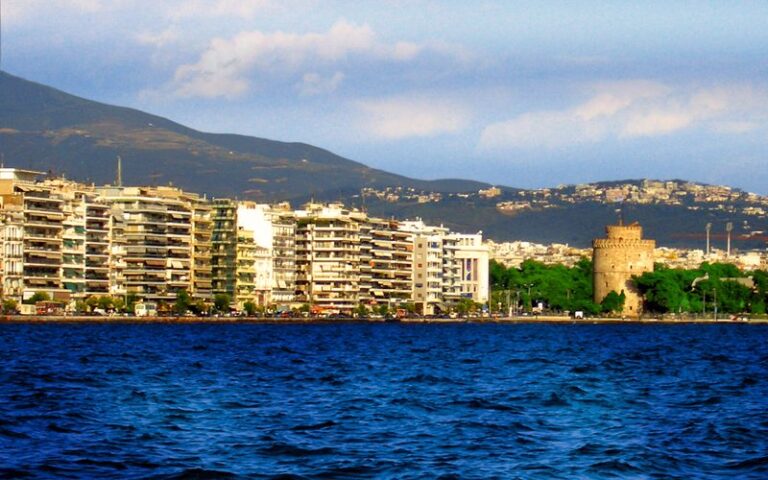
Athens is an obvious before-or-after addition: the ferry from Agios Konstantinos to Skiathos allows a direct combination without backtracking, and three days in Athens for the Acropolis and the National Archaeological Museum rounds out a first-time Greece visit comprehensively. Thessaloniki, three hours from Volos by road, adds Byzantine monasteries, a vibrant food scene, and the coast of Halkidiki if you’re combining northern Greece with the Sporades in a single trip.
Comparing Sporades to Santorini and Beyond
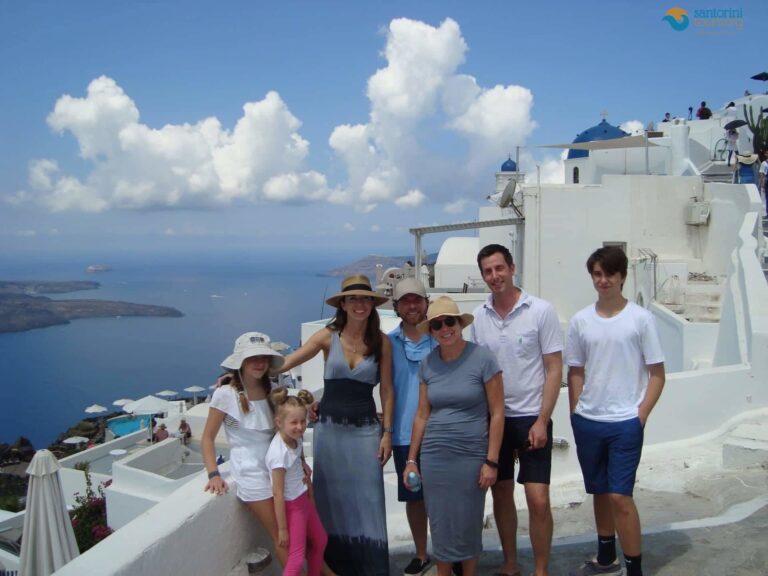
Sexygossip has covered a wide range of Greek island experiences, including Santorini private tours at the opposite end of the Greek tourism spectrum. Santorini is magnificent but controlled — the experience is curated and expensive in a way that the Sporades never are. In Skiathos, you can walk off a caique onto a beach that isn’t on Google Maps and eat grilled fish at a family taverna where the owner caught it at dawn. That informality and spontaneity is what the most experienced Greek island travellers tend to prize above all else, and it’s what the Sporades deliver most reliably.
If you want a broader picture of Greece’s touring options before committing to a route, the Sexygossip guide to Greece tours covers the full spectrum — from archaeological circuits to island-hopping packages, mountain routes to sailing itineraries — and can help you understand how the Sporades fit within a longer Greek holiday framework.
Practical Planning Checklist
- Ferry connections: Book Volos or Agios Konstantinos departure ferries at least a week in advance in July and August; outside peak season, walk-on tickets are usually available.
- Accommodation timing: Skiathos books out fast in peak summer — reserve accommodation by March for July travel. Skopelos and Alonnisos have more flexibility.
- Transport on Skiathos: Rent a scooter (50cc, no licence required for EU nationals in most cases) or use the beach bus; car rental is possible but the roads are narrow and parking near beaches is minimal.
- Marine park excursions: Book your Alonnisos marine park day trip the morning you arrive or via accommodation — tours fill quickly in summer.
- Best months: May, June, and September offer optimal conditions — warm sea, manageable crowds, lower prices, wildflowers in spring, clear water in autumn.
- Cash: ATMs are available in Skiathos Town and Skopelos Chora; smaller beaches and some island kafeneions operate cash-only, so carry enough before leaving town.
- Sun protection: The Sporades sun is fierce from June onward, amplified by reflection off white pebble beaches; SPF 50 and a reapplication schedule are not optional.
- Language: English is widely spoken in tourist areas; a handful of Greek phrases (kalimera, efcharisto, parakalo) go a long way in villages and older tavernas.
Five-Question FAQ
How many days do I need in the Sporades?
A minimum of five days gives you enough time to do Skiathos properly and take a day trip to Skopelos. Seven to ten days allows for genuine island hopping across all three main islands without feeling rushed. If you only have a long weekend, focus entirely on Skiathos rather than spreading yourself too thin.
Is Skiathos better than Skopelos for first-time visitors?
It depends on priorities. Skiathos offers more beaches, more nightlife, and easier flight access. Skopelos offers more authentic architecture, better hiking, fewer crowds, and a quieter atmosphere. Most first-time visitors find Skiathos easier to enjoy immediately, while returning visitors often prefer Skopelos’s slower rhythm. Ideally, see both.
What is the water quality like in the Sporades?
Excellent — among the best in the Aegean. The relative scarcity of heavy boat traffic in the coves and the limited industrial activity on the islands means that the water is consistently clear and clean. The underwater visibility at the Lalaria beach coves and around the uninhabited islets is particularly good, often exceeding fifteen metres in calm conditions.
Can I visit the Sporades in October?
Yes, and October is an underrated time to go. The sea remains warm enough for swimming well into the month (sea temperature typically around 21-22°C), hotels drop in price, and the islands return to a relaxed, local pace. Some restaurants and tourist businesses close after October 15th, so check in advance for specific restaurants or tours you’re planning around. Ferry frequency also reduces outside summer, so schedule accordingly.
Are the Sporades suitable for sailing holidays?
Very much so. The Sporades are one of the most popular sailing areas in Greece, combining manageable distances between islands, excellent natural harbours (Alonnisos Old Port, Agnondas on Skopelos, Glossa/Loutraki), and a wind pattern that is reliable without being punishing. The meltemi blows from the north in summer, which means favourable conditions on south-heading passages and more challenging sailing heading back north, but experienced sailors consider it a manageable and rewarding cruising ground.
Conclusion
The Sporades archipelago is one of Greece’s most complete travel propositions: the energy and beach variety of Skiathos, the architectural beauty and hiking trails of Skopelos, and the marine wilderness of Alonnisos — all within an hour of each other by sea. Sexygossip has long argued that these islands reward travellers who look past the Santorini-Mykonos circuit, and the argument holds. Whether you’re planning your first Greek island trip or your twentieth, the Sporades offer something that’s genuinely difficult to find anywhere else in the Mediterranean: a place that feels both completely wild and completely welcoming, where the pines reach the shore and the sea is the clearest you have ever swum in.
Read More
- Top New Healthy Lifestyle
- Sailing and Yachting in Greece
- Epidaurus Travel Guide: The Ancient Theatre and Asklepieion
- SEO Content Strategy Guide
- When the Search Box Starts Answering Back
About the Author